
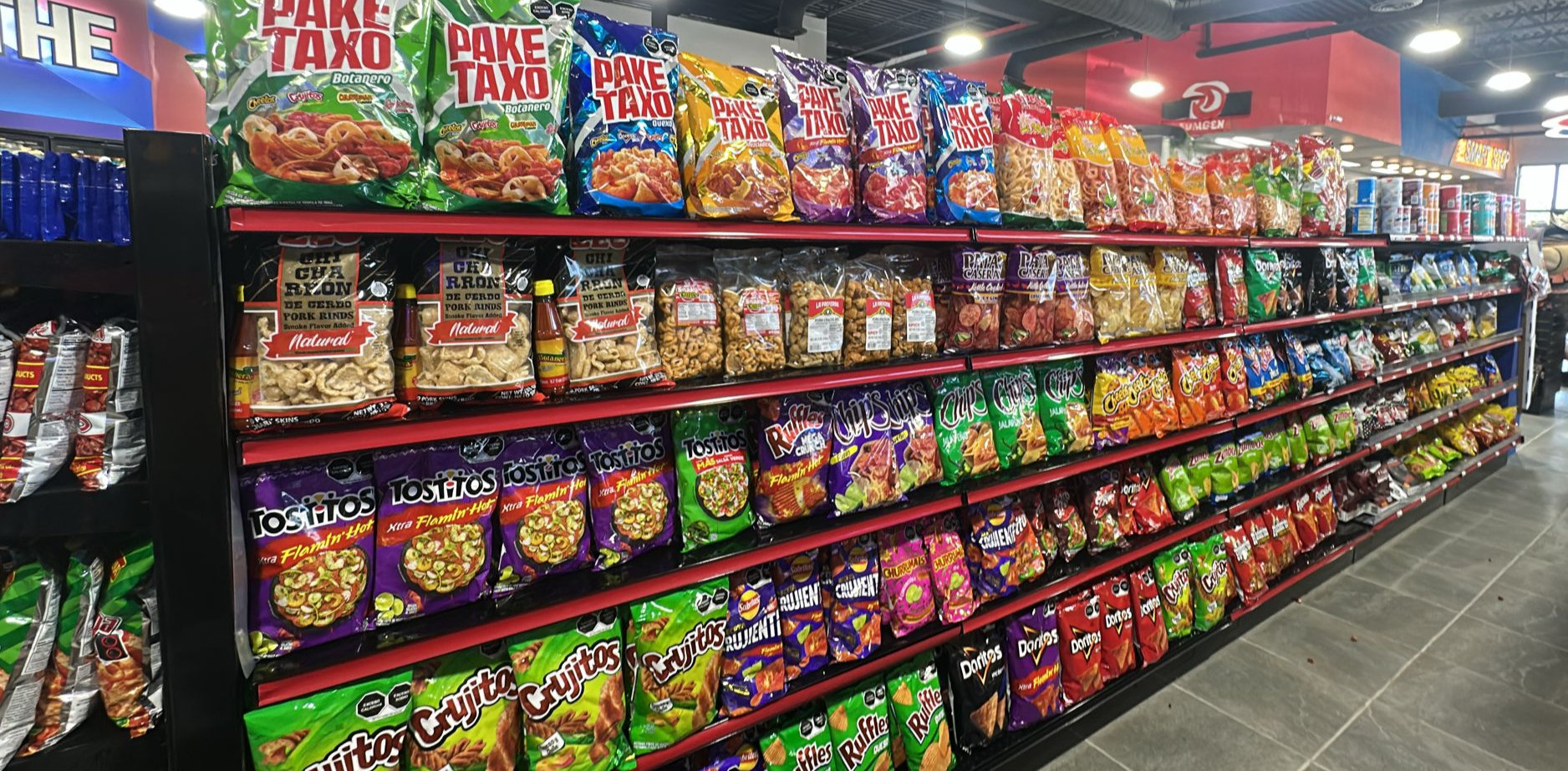
Explore the nutritional differences between plantain chips and potato chips, and why stocking plantain chips could boost your convenience store sales.
Plantain chips have been gaining popularity across the United States, particularly in convenience stores serving communities with a strong connection to Latin American cuisine. But are they actually a better snack option than the traditional potato chip?
Nutritional Comparison
Plantain chips and potato chips share a similar calorie count per serving, but plantain chips tend to offer more dietary fiber and potassium. Plantains are a starchy fruit rich in vitamins A, C, and B6, which carry over into the chip form when minimally processed.
Potato chips, especially the traditional salted variety, are often higher in sodium and saturated fat — though this varies widely by brand and preparation method.
What This Means for Your Store
If you're stocking a convenience store, offering both options gives your customers choice. However, plantain chips often command a premium price point and attract shoppers looking for something different — particularly in markets with a strong Hispanic demographic.
Brands like Diana and Zambos have built loyal followings around their plantain and banana chip products. Adding these to your shelf can:
The Bottom Line
Neither chip is a "health food," but plantain chips offer a compelling alternative for shoppers seeking variety and slightly better nutritional profiles. For convenience store operators, diversifying your snack aisle with plantain chips is a smart move that can drive sales in underserved categories.